About us
Who we are
SOSHEDO Foundation is a Ugandan non-profit Organisation registered in February 2022 (Registration No: 80046901929109). We were established out of a deep conviction that lasting transformation cannot be achieved through isolated interventions. By linking health, education, livelihoods, environmental sustainability, WASH (Water, Sanitation, and Hygiene), shelter, and institutional capacity, we address community challenges holistically. We believe that communities are not merely beneficiaries—they are partners, innovators, and drivers of sustainable change.
Established in February 2022, the organization emerged from a recognition that rural communities face interconnected challenges: limited healthcare, youth unemployment, poor sanitation, environmental degradation, and weak community structures. SOSHEDO Foundation bridges the gap between immediate community needs and long-term sustainable development.
Our approach
Our Vision
A healthy, empowered, environmentally sustainable, and resilient community where all people live with dignity and equal opportunities for development.
Our Mission
To promote sustainable health, environmental conservation, community empowerment, and socio-economic development through inclusive, innovative, and community-driven interventions that improve the quality of life for vulnerable populations.
Our Core Values
- Integrity: We uphold honesty, ethical conduct, and professionalism in all our engagements and decisions.
- Sustainability: We promote solutions that generate lasting benefits beyond short-term project cycles.
- Community Empowerment: We invest in local leadership, skills, and knowledge so communities can lead their own development.
- Environmental Stewardship: We actively protect natural resources and promote environmentally responsible development.
- Equity & Inclusion: We ensure women, children, youth, persons with disabilities, and marginalized groups actively participate and benefit.
- Collaboration: We believe complex challenges require strong partnerships across sectors.
- Accountability: Responsible stewardship of resources, transparent decision-making, and open reporting.
- Respect: We honor the dignity, rights, experiences, and culture of every individual and community we serve.
Meet Our Representatives
SOSHEDO Foundation maintains high governance standards overseen by a Board of Directors providing strategic direction, financial oversight, risk management, and ethical compliance.Our operational team brings together multidisciplinary expertise in public health, civil engineering, social work, environmental science, education, finance, and monitoring & evaluation
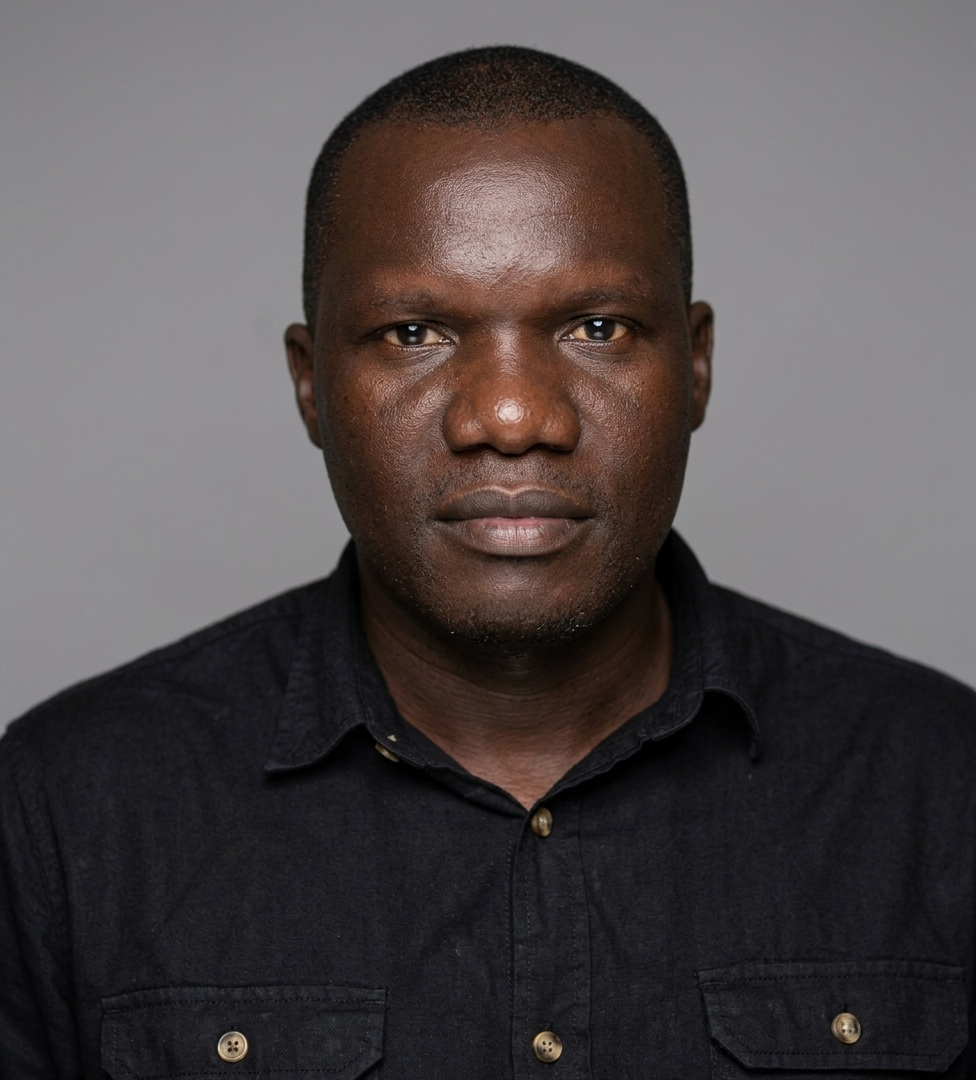
BSc Construction Management, Diploma in Building & Civil Engineering, Certificate in WASH Management
Lawrence Okori
Lawrence Okori is a Civil Engineer and Humanitarian Infrastructure Specialist with over 15 years of experience delivering infrastructure, shelter, WASH, and community development projects across Africa, the Middle East, and Europe. Working extensively with United Nations agencies and international NGOs, Lawrence has managed complex projects in Uganda, Burundi, Ethiopia, Somalia, Rwanda, the Czech Republic, and Jordan/Gaza. Witnessing the persistent challenges faced by underserved populations inspired him to establish SOSHEDO Foundation—extending his technical expertise into sustainable, long-term community development.
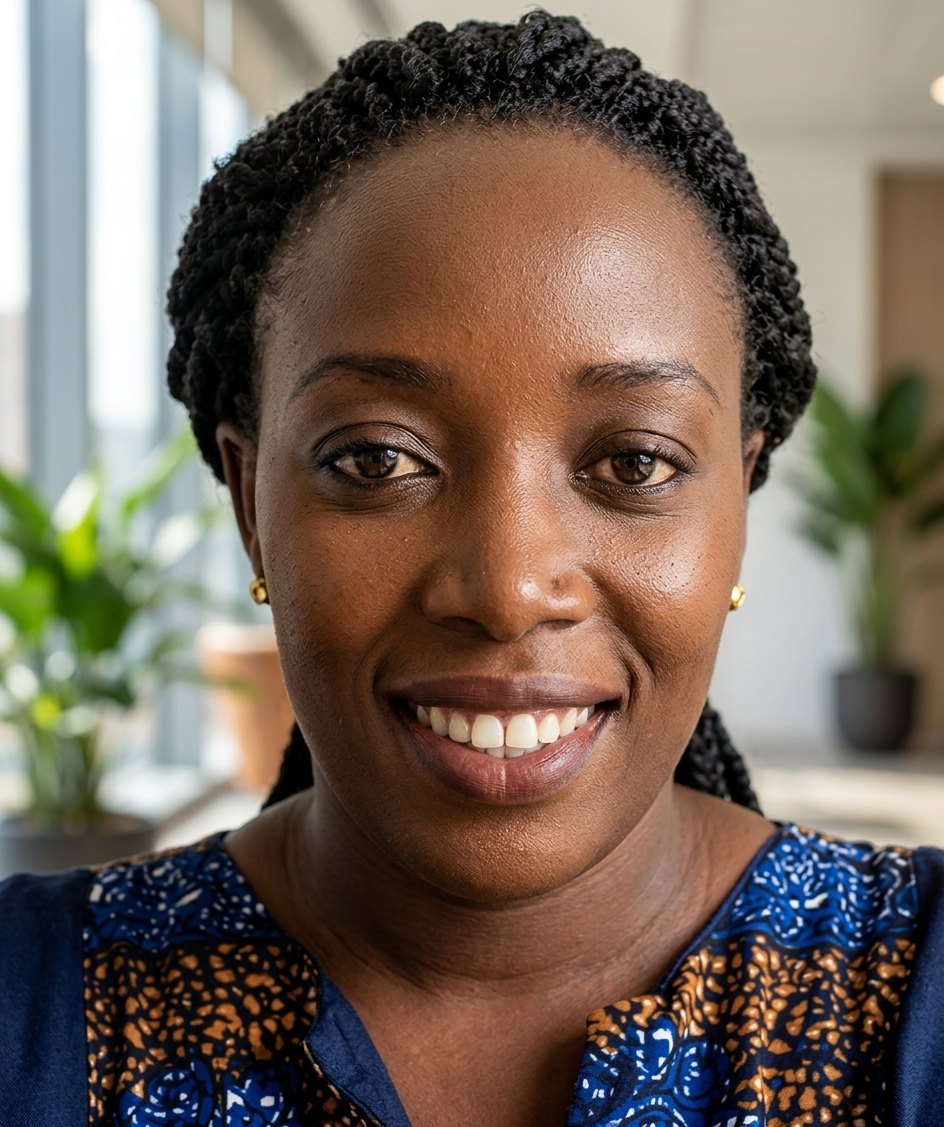
Master of Public Health (MPH), Bachelor of Social Work & Social Administration (BSWSA), Certificate in HIV & Counseling
Sharon Apio
Sharon Apio is a dedicated social worker and public health professional with over 10 years of experience in community mobilization, public health promotion, advocacy, and livelihoods. Shaped by her early life experiences and driven by a deep passion for serving vulnerable populations, Sharon advocates for community-driven solutions. She firmly believes that sustainable development requires active community participation in identifying both problems and practical solutions.
Communities Served
We prioritize vulnerable, underserved, and marginalized populations, including:
Women, girls, youth, and children
Persons with disabilities (PWDs)
Rural and economically vulnerable households
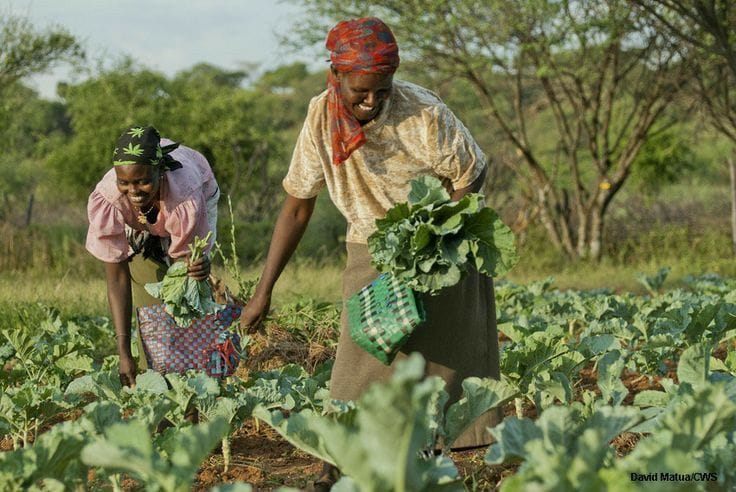
Smallholder farmers and climate-vulnerable communities
Local community-based organizations and structures
Our Operational Approach
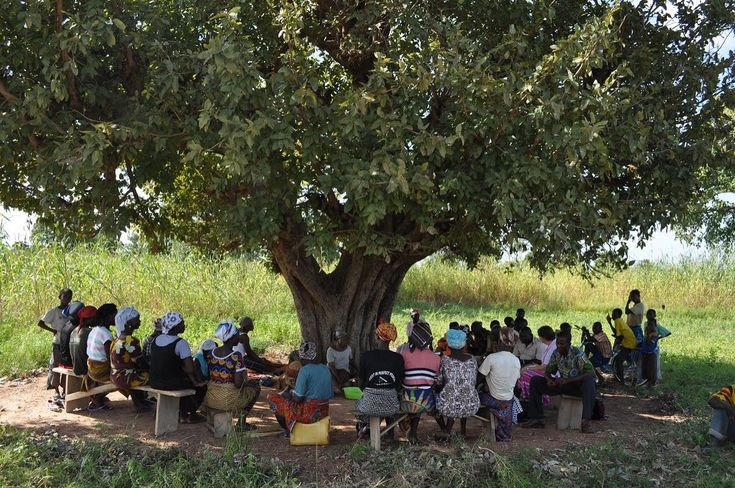
Listen to Communities: Engaging local knowledge and identifying priorities.
Co-Create Solutions: Designing practical, culturally relevant interventions.
Strengthen Local Capacity: Training local leaders and building local structures.
Measure, Learn & Adapt: Applying continuous Monitoring, Evaluation, Accountability, and Learning (MEAL).